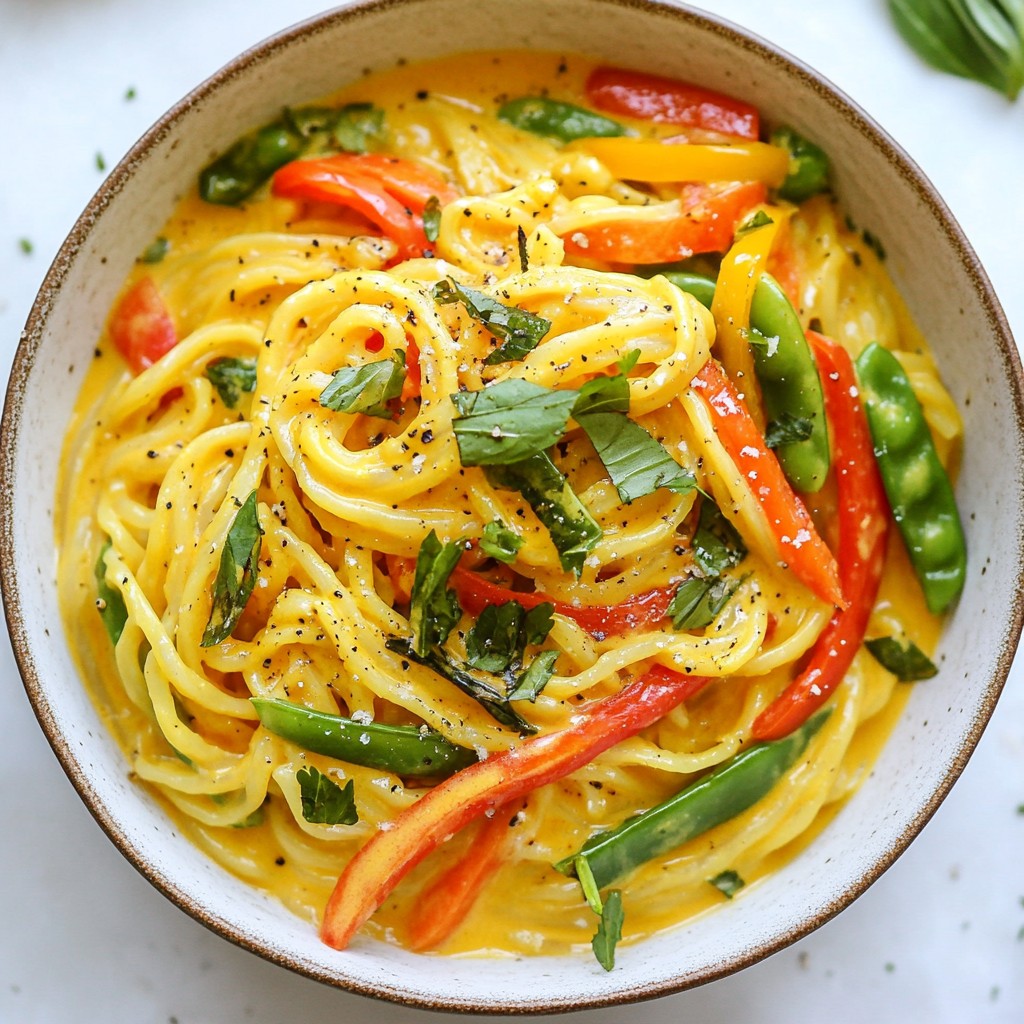
Craving a burst of flavor? Get ready to whip up a delicious bowl of 5-Ingredient Thai Coconut Curry Noodles. This quick and easy recipe balances creamy coconut with spice for a taste delight. In just a few simple steps, you'll create a meal that pleases your palate and satisfies your hunger. Ready to dive into this tasty adventure? Let’s explore the key ingredients and unleash the full flavor boost today!
Why I Love This Recipe
- Quick and Easy: This recipe comes together in just 20 minutes, making it perfect for busy weeknights.
- Flavorful and Creamy: The combination of coconut milk and red curry paste creates a rich, creamy sauce that is bursting with flavor.
- Customizable: You can easily swap out the vegetables for your favorites or whatever you have on hand.
- Healthy and Satisfying: Packed with veggies and gluten-free rice noodles, this dish is both nutritious and filling.
Ingredients
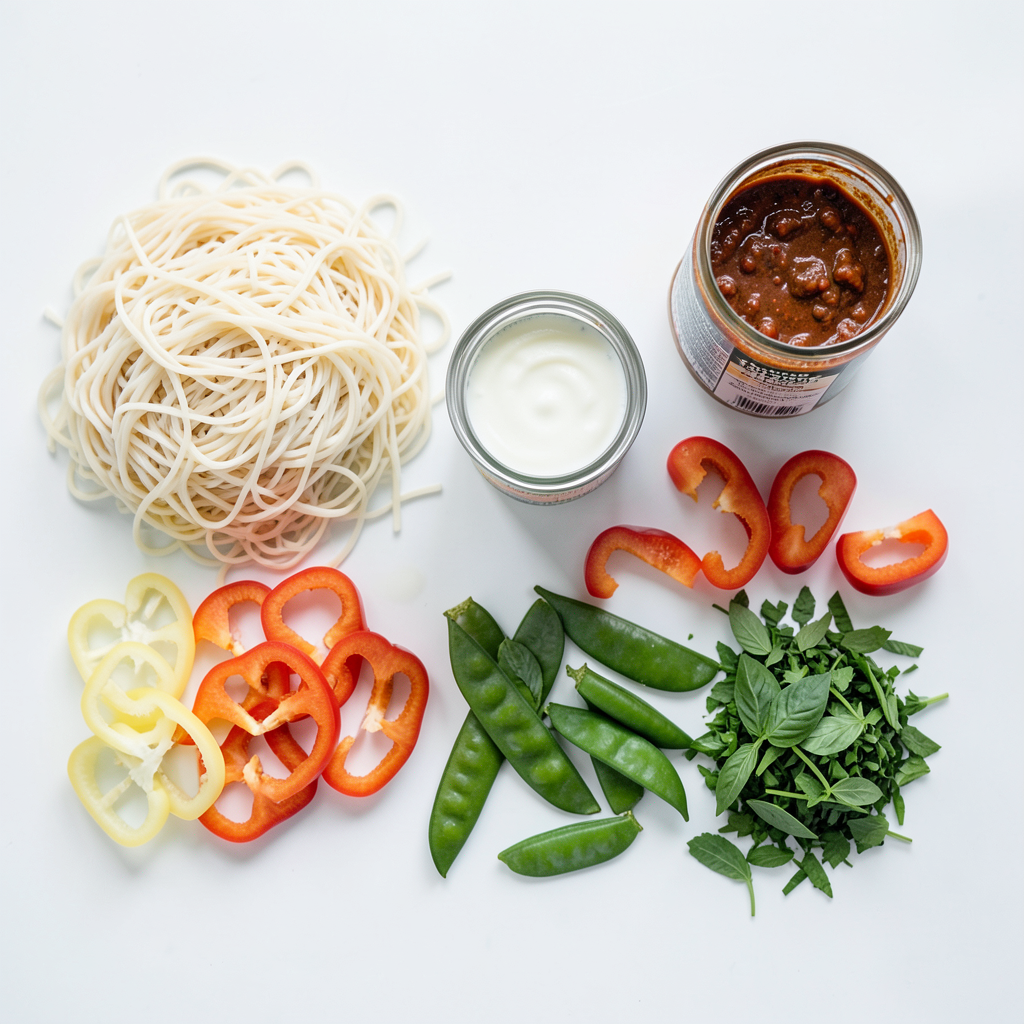
List of 5 Key Ingredients
- 8 oz rice noodles
- 1 can (13.5 oz) coconut milk
- 2 tablespoons red curry paste
- 1 cup mixed vegetables (like bell peppers, carrots, and snap peas)
- 1 tablespoon fresh basil, chopped
These five ingredients bring rich flavors and creamy texture to your dish. Rice noodles are light and soak up the sauce well. Coconut milk adds creaminess and a hint of sweetness. Red curry paste packs a punch with spices, while mixed vegetables add color and nutrition. Fresh basil gives a fragrant finish.
Substitutes for Common Ingredients
If you can't find rice noodles, use egg noodles or whole wheat pasta instead. For coconut milk, almond milk can work, but it won’t be as creamy. If you don’t have red curry paste, try yellow curry paste or even a mix of spices like cumin and ginger. When fresh veggies are not available, frozen mixed veggies can still do the job. Finally, if basil is out of reach, cilantro or parsley can be good alternatives.
Importance of Fresh Ingredients
Using fresh ingredients makes a big difference. Fresh vegetables add crunch and flavor. They also keep their bright colors, making your dish look great. Fresh basil adds a wonderful aroma that enhances the taste. Always choose high-quality ingredients when possible. They elevate your meal and make it more enjoyable.
Step-by-Step Instructions
Cooking the Rice Noodles
Start by boiling water in a large pot. Once the water bubbles, add the rice noodles. Cook them for 4-6 minutes. Check the package for exact times. You want them to be soft but firm, or al dente. After cooking, drain the noodles and set them aside. Make sure not to rinse them, as you want to keep that starch.
Preparing the Coconut Curry Sauce
In the same pot, lower the heat to medium. Add one can of coconut milk. This gives the sauce its creamy base. Whisk in two tablespoons of red curry paste. Stir until it blends well, about 2-3 minutes. The sauce should be warm and fragrant. This is where the magic happens.
Combining Noodles and Vegetables
Now, add one cup of mixed vegetables to the pot. Bell peppers, carrots, and snap peas work great. Let them simmer in the sauce for about 5 minutes. You want them tender but still bright in color. After that, add the cooked rice noodles back into the pot. Toss everything gently to coat the noodles in that rich curry sauce. Cook for another 1-2 minutes to heat through. Then, stir in one tablespoon of chopped fresh basil. This adds a fresh touch and a nice aroma. Your dish is now ready to enjoy!
Tips & Tricks
How to Achieve the Best Flavor
To bring out the best in your Thai coconut curry noodles, start with fresh ingredients. Use ripe bell peppers and bright green snap peas. Fresh basil adds a burst of flavor at the end. When you cook the red curry paste in the coconut milk, it helps to bloom the spices. This step makes the dish rich and fragrant. Taste as you go, and adjust the seasoning to your liking. You can add a splash of lime juice for a zesty kick.
Common Mistakes to Avoid
One common mistake is overcooking the noodles. They should be al dente. If you cook them too long, they can become mushy. Another mistake is not stirring the curry sauce well. The red curry paste needs to mix fully with the coconut milk. If not, some bites may taste bland. Lastly, don’t skip the fresh basil. It really enhances the dish’s flavor.
Cooking Time Adjustments for Different Noodle Types
If you choose to use different noodles, cooking times will change. For example, egg noodles may take longer to cook than rice noodles. Always check the package instructions. For whole wheat noodles, you might need to adjust the cooking time too. Just remember to drain and rinse them before adding them to the sauce. This helps keep the dish light and fresh.
Pro Tips
- Choose Fresh Veggies: Use seasonal and fresh vegetables for the best flavor and texture in your curry.
- Adjust Spice Levels: Feel free to add more or less red curry paste depending on your spice preference.
- Garnish for Flavor: Top with additional fresh basil or cilantro for an aromatic finish.
- Leftovers Storage: Store leftovers in an airtight container in the fridge for up to 3 days, and reheat gently.
Variations
Protein Additions (Tofu, Chicken, Shrimp)
You can add protein to your Thai coconut curry noodles easily. Tofu is a great choice for a vegetarian or vegan meal. Just cube firm tofu and pan-fry it until golden. Add it to the curry sauce during the last few minutes of cooking. If you prefer meat, chicken works well too. Cut boneless chicken into small pieces and cook it in the pot before adding the coconut milk. Shrimp is another tasty option. Cook the shrimp until they turn pink, then add them to the sauce right before serving. Each protein option adds its own flavor and texture.
Vegetarian and Vegan Options
This recipe is already vegetarian. To make it vegan, just check the red curry paste. Some brands have shrimp paste in them. Look for a vegan brand or make your own. You can also add more veggies to make it heartier. Sweet potatoes, zucchini, or broccoli are great choices. These additions will enhance the dish's taste and nutrition, making it even more satisfying.
Spice Level Adjustments
Do you like it hot? You can easily adjust the spice level in this dish. Start with less red curry paste if you prefer mild flavors. You can add more as it cooks to find your ideal heat. For an extra kick, toss in some chopped fresh chilies or a pinch of chili flakes when serving. If you want to tone it down, add a bit of coconut milk. It will help balance the heat without losing flavor.
Storage Info
How to Store Leftovers
To keep your Thai coconut curry noodles fresh, store leftovers in an airtight container. Let them cool down first. Place the container in the fridge. They will last for up to three days. Remember to label the container with the date.
Reheating Instructions
When you're ready to eat the leftovers, you can reheat them easily. Pour the noodles into a pot over low heat. Add a splash of water or coconut milk. This will help the noodles regain creaminess. Stir frequently for even heating. You can also use a microwave. Heat in short bursts, stirring in between, until hot.
Freezing for Later Use
If you want to freeze the curry noodles, start with cooled leftovers. Place them in a freezer-safe bag or container. Be sure to remove excess air to avoid freezer burn. They can stay in the freezer for up to three months. When you're ready to eat, thaw them in the fridge overnight. Reheat as mentioned earlier.
FAQs
Can I make this recipe gluten-free?
Yes, you can! To make this dish gluten-free, use rice noodles as they are naturally gluten-free. Be sure to check the red curry paste label for gluten. Some brands add wheat. If you find one with gluten, look for a gluten-free version or make your own using fresh herbs and spices.
How can I make the dish spicier?
To add spice, you have a few options. First, increase the amount of red curry paste you use. Start with an extra half tablespoon and adjust as needed. You can also add fresh chopped chili peppers or a sprinkle of red pepper flakes when serving. For a different kick, try a dash of sriracha sauce mixed in.
Can I use different types of noodles?
Absolutely! You can swap rice noodles for other options like soba noodles or even whole wheat spaghetti. Just keep in mind that cooking times may change. Check the package instructions for the best results. Each noodle type brings its own texture and flavor to the dish, so feel free to experiment!
In this post, we covered key ingredients and substitutes for a delicious meal. I shared step-by-step instructions to make cooking easy. Tips helped you avoid common mistakes and achieve great flavor. You now know how to customize the dish with protein and spice. Lastly, I provided storage and reheating advice. Using fresh ingredients and following these steps will lead to success. Enjoy cooking and experimenting with this recipe!