

Are you ready to elevate your baking game? Lemon Blueberry Sourdough Bread is a fresh and tangy treat that combines the zesty notes of lemon with the sweetness of blueberries. This bread is perfect for breakfast or a snack. In this guide, I'll share easy steps and tips to help you create this delightful loaf at home. Let's dive into the ingredients and start baking something special!
Why I Love This Recipe
- Bright Flavor: The combination of lemon and blueberries creates a refreshing taste that’s perfect for any season.
- Unique Texture: The sourdough fermentation adds a delightful chewiness that contrasts beautifully with the burst of juicy blueberries.
- Healthier Option: Using natural sweeteners like honey or maple syrup makes this bread a more wholesome treat compared to traditional recipes.
- Perfect for Sharing: This recipe yields 10 slices, making it ideal for breakfast gatherings or brunch with friends and family.
Ingredients
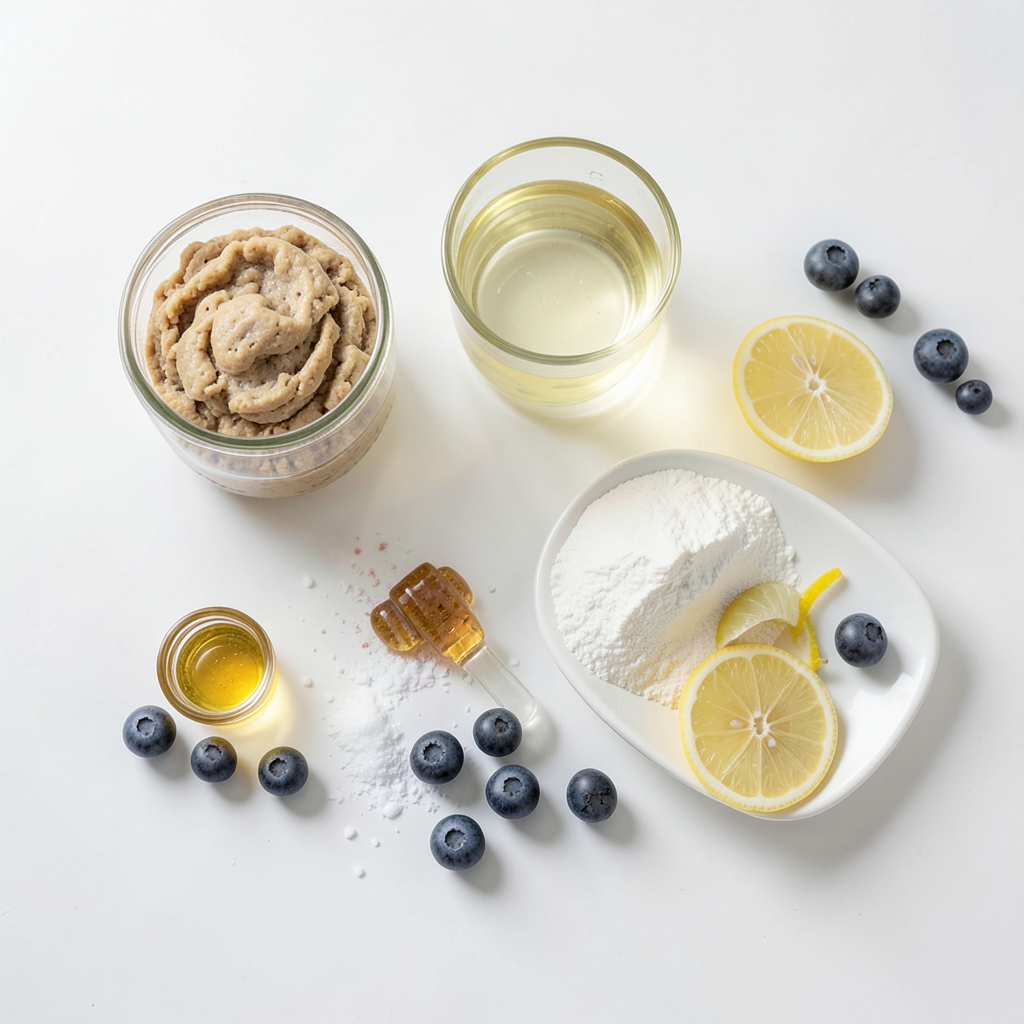
To make Lemon Blueberry Sourdough Bread, gather these simple ingredients:
- 1 cup active sourdough starter
- 1 cup warm water (about 100°F)
- 3 cups all-purpose flour
- 1 teaspoon sea salt
- 2 tablespoons honey or maple syrup
- Zest of 1 lemon
- Juice of 1 lemon
- 1 cup fresh blueberries (can substitute with frozen)
Each ingredient plays a key role in the bread’s flavor and texture. The active sourdough starter gives the bread its rise and tang. Warm water helps activate the starter. All-purpose flour forms the base of the dough. Sea salt enhances the taste and strengthens gluten. Honey or maple syrup adds a touch of sweetness. Lemon zest and juice provide a fresh, tangy flavor. Fresh blueberries add bursts of sweetness throughout the loaf.
Make sure to measure the ingredients accurately for the best results. Using high-quality and fresh ingredients will elevate your bread. Enjoy the process and let the scents fill your kitchen!
Step-by-Step Instructions
Preparing the Dough
- In a large bowl, mix 1 cup of active sourdough starter with 1 cup of warm water. Stir gently to dissolve.
- Add 2 tablespoons of honey or maple syrup, the zest of 1 lemon, and the juice of 1 lemon. Stir until it’s smooth.
- Gradually add 3 cups of all-purpose flour. Use your hands or a wooden spoon to mix until a shaggy dough forms.
Kneading and Rising
- Sprinkle 1 teaspoon of sea salt over the dough. Knead it on a floured surface for about 5-7 minutes. You want a smooth and elastic dough.
- Place the dough in a clean bowl, cover it, and let it rise in a warm spot for 4-6 hours. It should double in size.
Shaping and Second Rise
- After the first rise, gently deflate the dough. Shape it into a round loaf and place it on parchment paper.
- Cover the loaf with a kitchen towel and let it rise again for 1-2 hours.
Baking the Bread
- Preheat your oven to 450°F (230°C) about 30 minutes before baking. Heat a Dutch oven inside the oven.
- Once hot, carefully remove the Dutch oven. Lift the parchment with the dough and place it inside. Cover it with the lid.
- Bake for 30 minutes covered. Then, remove the lid and bake for another 15-20 minutes. The crust should be golden brown.
- Take the bread out and cool it on a wire rack before slicing.
Tips & Tricks
Achieving the Best Texture
Kneading is key. It helps develop gluten, giving the bread a lovely chew. Knead for 5-7 minutes until the dough feels smooth and elastic. Don’t rush this step; it’s vital for a good texture.
When adding blueberries, handle them gently. If you smash them, they can turn the dough purple. Fold them in slowly. This keeps the berries whole and adds bursts of flavor.
Flavor Enhancements
For a twist, try adding more zest. Lime or orange zest works well too. You can also mix in nuts for crunch. Walnuts or almonds add a nice touch.
Serve this bread warm with butter or cream cheese. The rich spread complements the tangy lemon and sweet blueberries. Garnish with extra berries or lemon slices for a pretty plate. Enjoy this bread fresh for the best taste!
Pro Tips
- Use Fresh Blueberries: For the best flavor and texture, opt for fresh blueberries. If using frozen, ensure they are not thawed before folding into the dough to prevent excess moisture.
- Temperature Matters: Make sure your water is warm but not hot, as temperatures above 110°F can kill the yeast in your sourdough starter.
- Perfect Your Rise: The rising times can vary based on the room temperature. A warmer environment will speed up the process, so keep an eye on the dough to ensure it doubles in size.
- Crust Perfection: For a crustier loaf, place a shallow pan with water in the oven while baking to create steam, which helps develop a beautiful crust.
Variations
Ingredient Substitutions
You can swap sweeteners in this recipe. Instead of honey, try maple syrup. Both work well and add unique flavors. You can also use agave nectar for a different taste.
For fruits, fresh blueberries are best, but frozen ones work too. You can also try raspberries or blackberries. They can give a nice twist to your bread. Just keep in mind that other fruits may change the texture and taste.
Different Bread Styles
Want to change things up? Try mini loaves! They cook faster and are perfect for gifts. Simply divide the dough into smaller portions before the second rise.
You can also make rolls instead of a loaf. Shape small balls from the dough and let them rise. Bake them the same way, and you’ll have tasty, bite-sized treats. These variations are fun and easy to make!
Storage Info
Proper Cooling Techniques
Let the bread cool completely before storing. This step is key. If you store warm bread, it will create steam. Steam can make your bread soggy. Place the loaf on a wire rack. This helps air circulate around it. Wait at least an hour before you wrap it.
Best Storage Methods
For short-term storage, keep the bread at room temperature. Wrap it in a clean kitchen towel. This keeps it soft and fresh. Avoid plastic bags, as they trap moisture.
For long-term storage, freeze the bread. Slice it first for easy use. Wrap each slice in plastic wrap. Then place all slices in a freezer bag. This way, you can enjoy a slice whenever you want. Just toast it straight from the freezer.
FAQs
Can I use frozen blueberries?
Yes, you can use frozen blueberries. They add great flavor and color. Just fold them in gently to avoid mashing. Frozen blueberries might make the dough wetter. If it feels too sticky, add a bit more flour.
How can I tell when the bread is done?
The bread is done when it turns golden brown. You can tap the crust, and it should sound hollow. The internal temperature should reach 200°F (93°C). Use a kitchen thermometer for a precise check.
What if my sourdough starter isn’t active?
If your starter isn’t active, it won't rise well. Feed it with equal parts flour and water. Let it sit at room temperature for a few hours. When it bubbles and grows, it’s ready to use.
Can I make this bread without a Dutch oven?
Yes, you can use a heavy baking pan instead. Place a baking stone or another oven-safe dish inside. Add water to create steam. This helps form a nice crust. Adjust baking times as needed.
How should I serve Lemon Blueberry Sourdough Bread?
Serve the bread warm or at room temperature. Spread butter or cream cheese on top. You can also add extra blueberries and lemon slices for a nice touch. This makes a beautiful presentation for any meal.
Now you have a clear guide to making delicious Lemon Blueberry Sourdough Bread. We covered ingredients, step-by-step instructions, and useful tips. Remember to knead well for the best texture and handle blueberries gently. You can also try different flavors or bread styles to make it your own. Store it properly to enjoy it longer. Baking bread is a fun and satisfying process, so don’t hesitate to experiment and share your results! Enjoy your baking adventure!