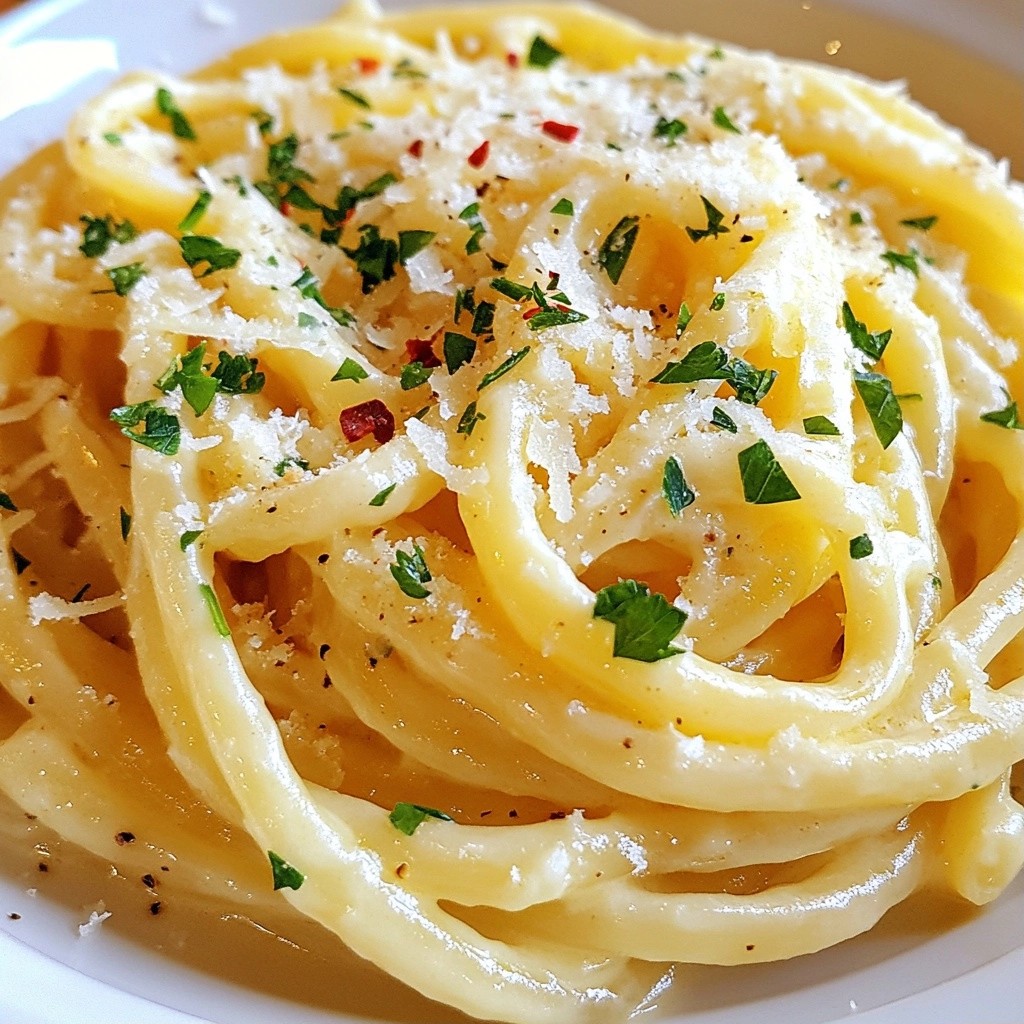
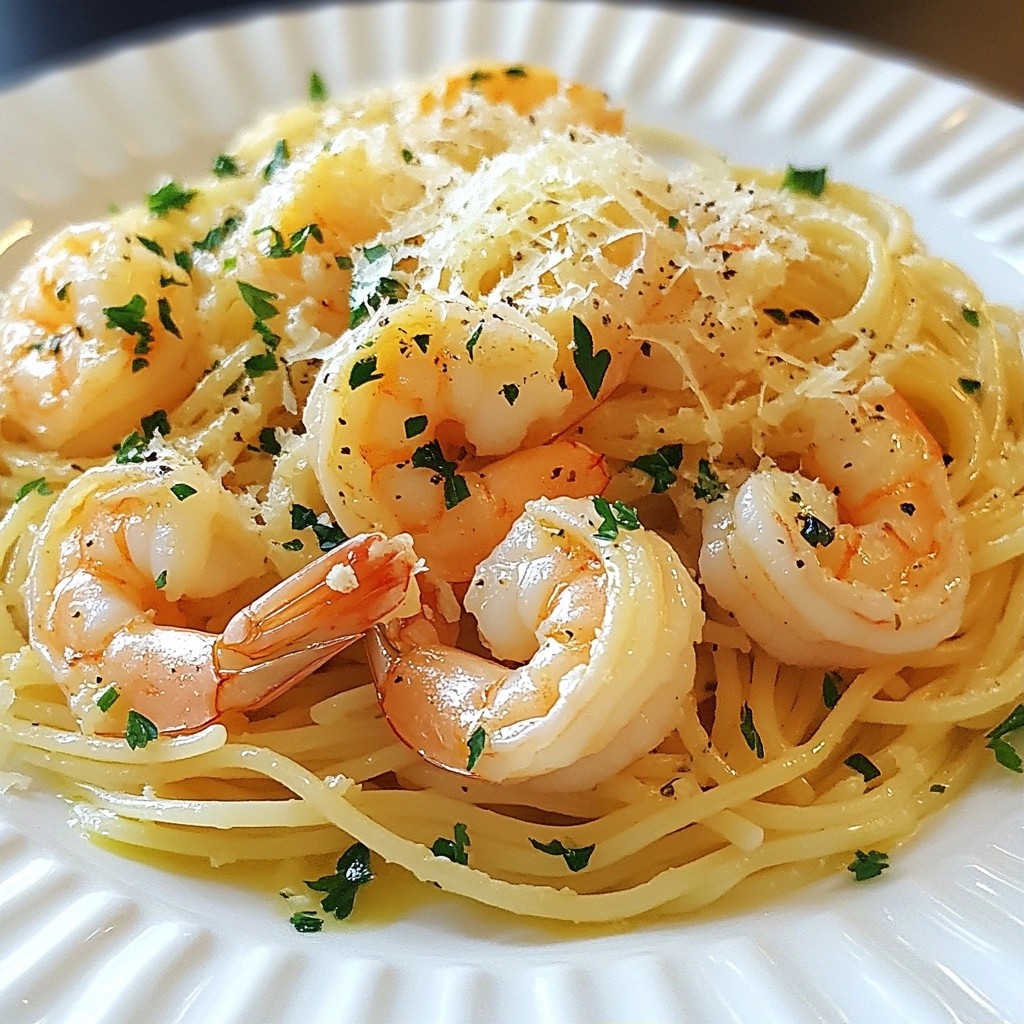
Looking for a quick dinner that packs a punch? You've come to the right place! My 15-Minute Lemon Garlic Shrimp Pasta is the answer to your weeknight cooking woes. With just a few fresh ingredients and simple steps, you can whip up this delicious dish in no time. Ready to impress your family or friends? Let’s dive into this flavorful recipe that proves great meals don't have to take hours!
Why I Love This Recipe
- Quick and Easy: This recipe can be prepared in just 15 minutes, making it perfect for busy weeknights.
- Fresh Flavors: The combination of lemon and garlic brings a refreshing and vibrant taste to the dish.
- Healthy Meal: Shrimp is a lean protein source, and this dish is packed with flavor without being heavy.
- Customizable: You can easily adjust the spice level or add vegetables to suit your preferences.
Ingredients
Main Ingredients List
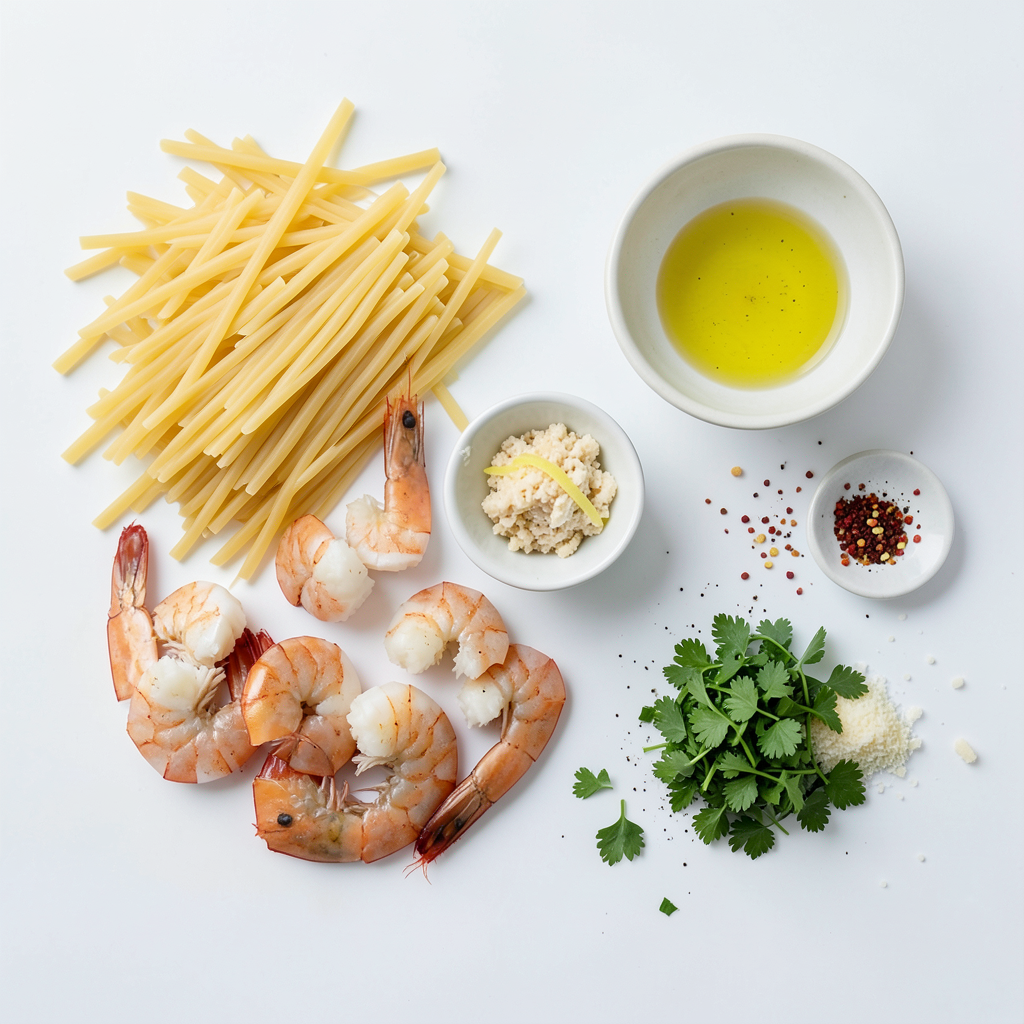
For this savory lemon garlic shrimp pasta, you will need:
- 8 ounces spaghetti or linguine
- 1 pound medium shrimp, peeled and deveined
- 4 cloves garlic, minced
- 1/4 cup olive oil
- Zest and juice of 1 large lemon
- 1/2 teaspoon red pepper flakes (optional for spice)
- Salt and black pepper to taste
- 1/4 cup fresh parsley, chopped
- Grated Parmesan cheese for serving (optional)
These ingredients come together to make a fresh, bright dish that sings with flavor!
Essential Cooking Tools
To make this dish, gather these tools:
- Large pot for boiling pasta
- Large skillet for sautéing shrimp
- Measuring cups and spoons
- Colander for draining pasta
- Tongs or pasta fork for mixing
Having the right tools makes cooking easier and more fun.
Optional Ingredients for Extra Flavor
Want to kick it up a notch? Consider these options:
- Lemon zest from an extra lemon for more zing
- Extra garlic for a bolder taste
- Fresh basil or arugula for added greens
- Cherry tomatoes for a sweet touch
- A splash of white wine for depth
These optional ingredients can give your pasta an extra layer of flavor. Feel free to mix and match!
Step-by-Step Instructions
How to Cook the Pasta Perfectly
Start by boiling salted water in a large pot. Use enough water so the pasta has room. Once boiling, add 8 ounces of spaghetti or linguine. Cook it according to the package directions until it is al dente. This means it should be firm but not hard. When done, save 1/2 cup of the water. Then, drain the pasta and set it aside.
Sautéing the Garlic and Shrimp
Next, grab a large skillet and heat it over medium heat. Pour in 1/4 cup of olive oil. When the oil is hot, add 4 cloves of minced garlic. Sauté the garlic for about 30 seconds. It should smell great but not burn. Now, add 1 pound of peeled and deveined shrimp to the skillet. Cook them for about 2-3 minutes on one side until they turn pink. Flip the shrimp and cook them for another 2 minutes. They should be fully cooked and look bright pink.
Combining Pasta with Shrimp Mixture
Once the shrimp are ready, it’s time to mix. Add the zest and juice of 1 large lemon to the skillet. If you like a little heat, sprinkle in 1/2 teaspoon of red pepper flakes. Then, add a pinch of salt and black pepper. Stir everything well to combine the flavors. Now, gradually add your reserved pasta to the skillet. Toss the pasta in the shrimp mixture. If it looks dry, add a little reserved pasta water until it’s just right. Finally, stir in 1/4 cup of chopped fresh parsley for a burst of color and flavor. Serve your dish warm, and sprinkle with grated Parmesan cheese if you like.
Tips & Tricks
Ensuring Perfectly Cooked Shrimp
To get juicy shrimp, start with fresh or thawed shrimp. Look for shrimp that are firm and have a slight sheen. When cooking, don’t overcrowd the skillet. This helps them cook evenly. Cook for 2-3 minutes on one side until pink, then flip. Overcooking makes shrimp tough. If they curl tightly, they are likely overdone.
Adjusting Spice Levels
If you like heat, add more red pepper flakes. Start with just a pinch and taste. You can add more if needed. For a milder dish, skip the red pepper flakes. You can also use black pepper for a different heat. Remember, it’s easier to add spice than take it away.
How to Achieve the Best Flavor
Using fresh lemon makes a big difference. Zest the lemon before juicing it. This adds a bright flavor. The garlic should be minced finely for even cooking. Sauté it until fragrant, about 30 seconds. Olive oil is key here; it adds richness. Mixing in the reserved pasta water helps create a nice sauce. Always taste and adjust seasoning before serving.
Pro Tips
- Fresh Shrimp: Always use the freshest shrimp you can find for the best flavor and texture.
- Reserve Pasta Water: Don't forget to save some pasta water; it helps to create a creamy sauce that clings to the pasta.
- Customize Spice Level: Adjust the red pepper flakes according to your taste. You can omit them for a milder dish.
- Garnish Generously: Don't skimp on the parsley; it adds freshness and brightens the dish beautifully.
Variations
Substituting Different Pasta Types
You can swap the spaghetti or linguine with other pasta types. For a twist, try penne or fettuccine. Each type brings its own texture. Whole wheat or gluten-free options work well too. Just make sure to cook them according to package directions. This keeps the dish quick and easy.
Adding Vegetables for Extra Nutrition
Adding vegetables boosts nutrition and flavor. You can toss in spinach, cherry tomatoes, or zucchini. Simply sauté them with the garlic before adding shrimp. This method keeps the veggies bright and fresh. It also makes the dish more colorful and appealing. You can even add a handful of peas for a sweet touch.
Making it a Creamy Version
If you love creamy pasta, adding a splash of cream can work wonders. After cooking the shrimp, pour in heavy cream or half-and-half. Stir well to coat the pasta and shrimp. This creates a rich sauce that pairs nicely with lemon. You can also mix in some cream cheese for added flavor. Don't forget to adjust the seasoning as needed.
Storage Info
How to Store Leftovers
To store your lemon garlic shrimp pasta, let it cool first. Once cool, place it in an airtight container. This keeps the pasta fresh. You can store it in the fridge for up to three days. Make sure to label the container with the date.
Reheating Instructions
When you’re ready to eat, take the pasta out of the fridge. You can reheat it in a pan over low heat. Add a splash of water or olive oil to keep it moist. Stir often until it’s hot. You can also use a microwave for quick reheating. Just cover it with a damp paper towel and heat for one minute.
Freezing the Shrimp Pasta
If you want to keep it longer, you can freeze the shrimp pasta. Place cooled pasta in a freezer-safe bag. Remove as much air as possible before sealing. This helps prevent freezer burn. You can freeze it for up to two months. When you’re ready to eat, thaw it in the fridge overnight before reheating.
FAQs
Can I use frozen shrimp?
Yes, you can use frozen shrimp. Just thaw them first. Place them in cold water for about 15 minutes. After thawing, peel and devein if needed. Then, you can cook them just like fresh shrimp. They will still taste great in this lemon garlic shrimp pasta.
What can I substitute for parsley?
If you don't have parsley, try using basil or cilantro. Both add a fresh taste. You can also use spinach if you prefer a leafy green. These options give good flavor without changing the dish too much. Just chop them up and add them at the end.
How do I make this recipe gluten-free?
To make this dish gluten-free, swap the pasta. Use gluten-free spaghetti or linguine. Many stores sell these options now. Always check labels to ensure they are certified gluten-free. Follow the same steps in the recipe with your gluten-free pasta. Enjoy the same great taste!
This blog post shared key ingredients and tools for your shrimp pasta. I outlined easy steps to ensure your pasta turns out perfect every time. You learned tips for cooking shrimp just right and how to play with spice levels. I also included fun variations and helpful storage info.
Cooking this dish can be exciting and simple. Enjoy experimenting with the flavors to make it your own!