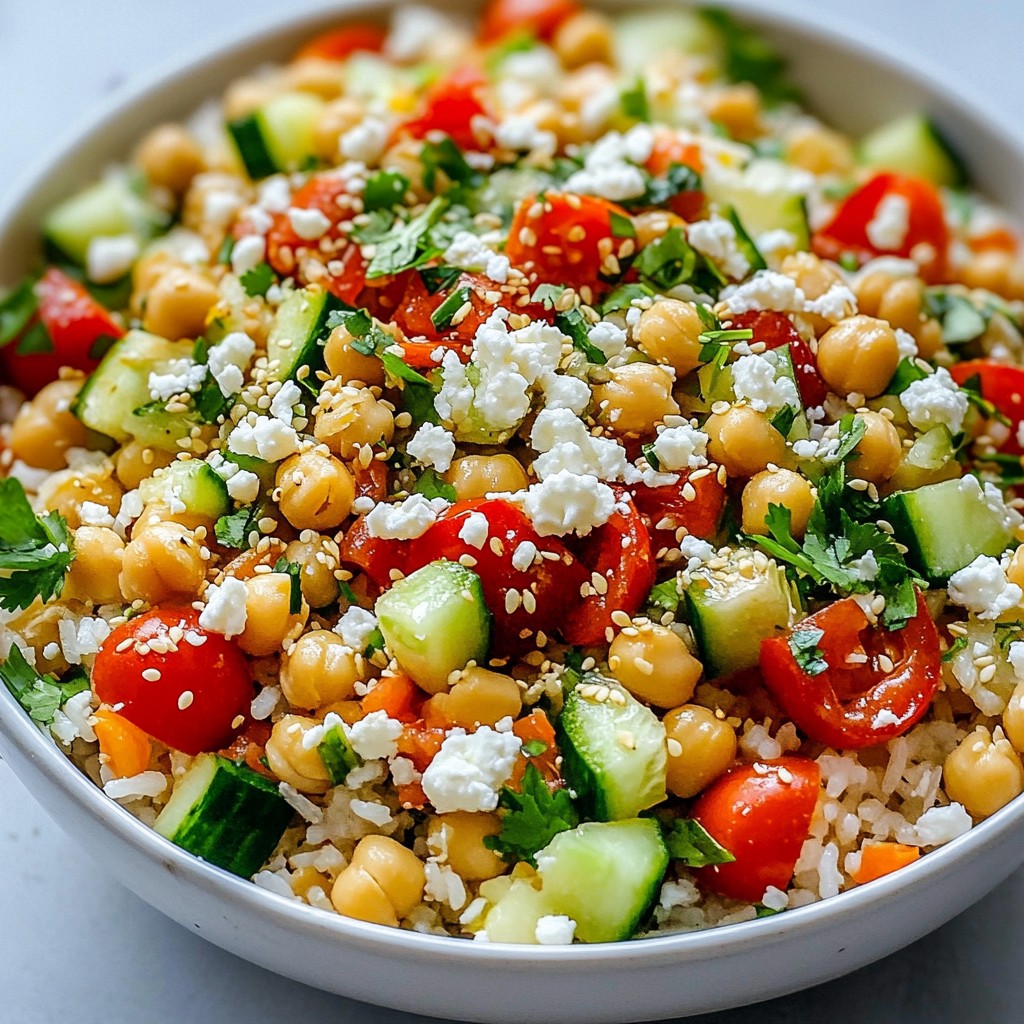

Are you ready to dive into a bowl of veggie goodness? In this blog post, I'll share my favorite recipe for Vegetable Biryani—both flavorful and nutritious. With simple ingredients like basmati rice, fresh veggies, and aromatic spices, you can make this dish at home easily. You'll also find tips to perfect your cooking and variations to suit your dietary needs. Let’s get started on this delicious journey!
Why I Love This Recipe
- Deliciously Flavorful: The combination of spices, fresh herbs, and vegetables creates a vibrant and aromatic dish that's bursting with flavor.
- Healthy Ingredients: This biryani is packed with a variety of vegetables, making it a nutritious meal option that's both satisfying and wholesome.
- Easy to Make: With a straightforward cooking process, this recipe is perfect for both beginner and experienced cooks looking for a delicious dish.
- Versatile: This vegetable biryani can be served as a main dish or a side, and it's easily customizable with your favorite vegetables or proteins.
Ingredients
List of Ingredients
- 2 cups basmati rice
- 1 medium onion, thinly sliced
- 2 medium tomatoes, chopped
- 1 cup mixed vegetables (carrots, peas, green beans)
- 1/2 cup green bell pepper, chopped
- 1/4 cup plain yogurt
- 3-4 green chilies, slit
- 2-3 cloves garlic, minced
- 1-inch piece of ginger, grated
- 1/4 cup fresh cilantro, chopped
- 1/4 cup fresh mint leaves, chopped
- 1 teaspoon cumin seeds
- 1 teaspoon garam masala
- 1 teaspoon turmeric powder
- 3 tablespoons vegetable oil or ghee
- Salt to taste
- 4 cups water
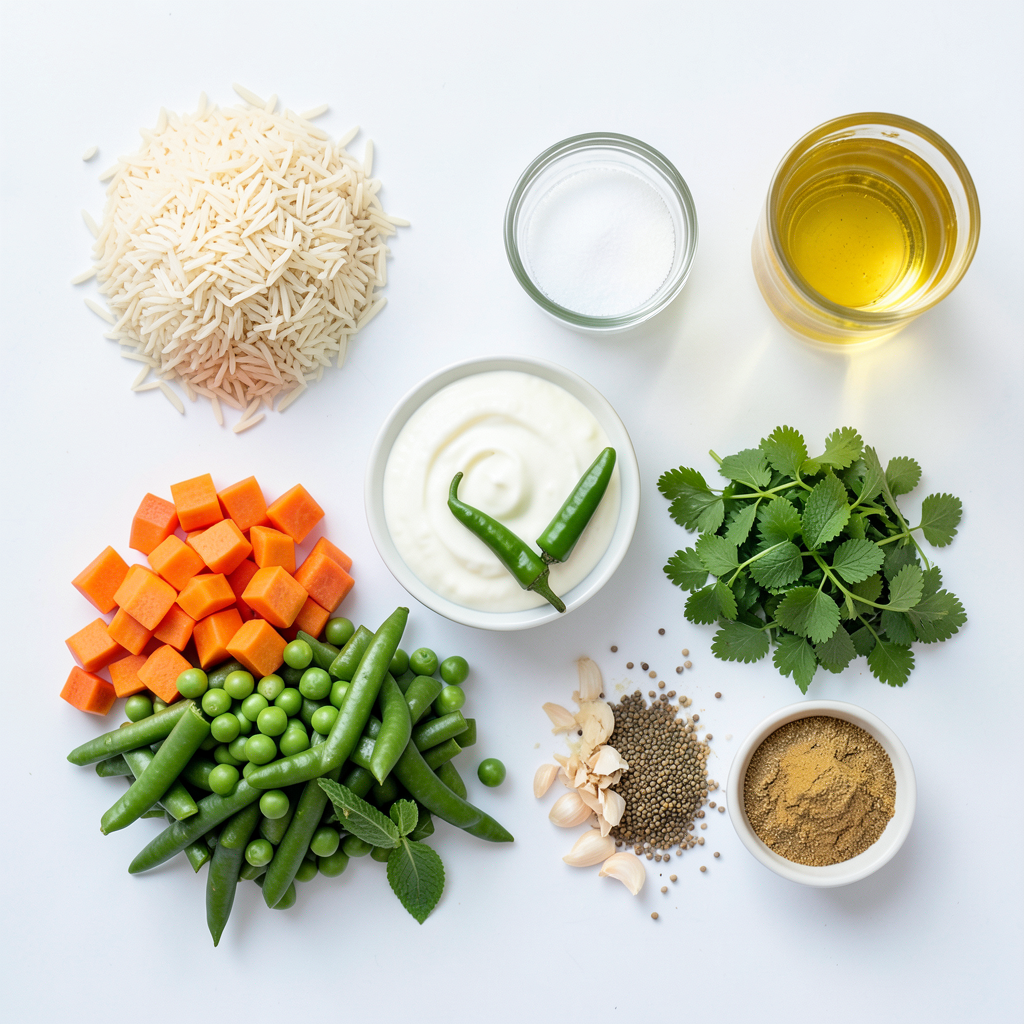
When you gather these ingredients, you set the stage for a delicious meal. Basmati rice is key for its fluffy texture. Mixed vegetables add color and nutrition. Aromatic spices bring warmth and depth. Yogurt and herbs add creaminess and freshness. Cooking fats like ghee or oil help everything blend well. Each ingredient plays a role in making the biryani tasty and satisfying.
Step-by-Step Instructions
Preparation Steps
- Rinsing and soaking rice
Rinse the basmati rice under cold water. Keep rinsing until the water runs clear. This step removes excess starch. Soak the rice in water for 30 minutes. Drain it well after soaking.
- Sautéing spices and aromatics
Heat 3 tablespoons of vegetable oil or ghee in a large pot over medium heat. Add 1 teaspoon of cumin seeds. Let them sizzle for a few seconds. Next, add 1 medium onion, thinly sliced. Sauté until the onions turn golden brown, which takes about 8 to 10 minutes. Stir in 2-3 cloves of minced garlic, 1-inch grated ginger, and 3-4 slit green chilies. Cook for another 2 minutes until you can smell the spices.
- Cooking vegetables
Add 2 medium chopped tomatoes to the pot. Cook them until they soften, about 5 minutes. Then, mix in 1 cup of mixed vegetables, like carrots, peas, and green beans, along with 1/2 cup of chopped green bell pepper. Cook for 5 to 7 minutes until the vegetables soften. Finally, add 1 teaspoon of turmeric powder, 1 teaspoon of garam masala, and salt to taste. Stir and cook for 2 more minutes.
Final Cooking Steps
- Adding yogurt and herbs
After cooking the spices and vegetables, add 1/4 cup of plain yogurt. Also, mix in 1/4 cup of chopped fresh cilantro and 1/4 cup of chopped fresh mint leaves. Combine everything well.
- Incorporating rice and simmering
Pour in 4 cups of water and bring the mixture to a boil. Once boiling, add the soaked rice gently. Stir carefully to keep the rice grains separate. Reduce the heat to low. Cover the pot with a lid and let it simmer for 20 minutes.
- Fluffing and serving
After 20 minutes, remove the pot from heat. Let it sit covered for an extra 10 minutes. Fluff the biryani with a fork before serving. You can garnish it with more mint leaves if you like. Serve hot and enjoy!
Tips & Tricks
Cooking Techniques
- Preventing mushy rice: Rinse the basmati rice well until the water runs clear. Soak it for 30 minutes. This helps the grains stay firm. When you add the rice to boiling water, stir gently. This keeps the grains separate.
- Balancing spices for flavor: Start with cumin seeds for a warm base. Add turmeric for color and health. Garam masala brings depth. Adjust spices to your taste. Use less for a milder dish, or add more for heat.
Serving Suggestions
- Garnishing options: Fresh cilantro and mint make great toppings. They add color and fresh flavor. You can also add fried onions for crunch.
- Accompaniments like raita: Serve the biryani with raita. This cool yogurt sauce pairs well with the spices. It helps balance the heat and adds creaminess. Enjoy your meal!
Pro Tips
- Soak the Rice: Soaking basmati rice helps achieve fluffy grains by allowing them to absorb water and expand before cooking.
- Layering Flavors: For a richer taste, layer the spices and herbs gradually while cooking, allowing each to infuse the dish with its unique flavor.
- Vegetable Choices: Use seasonal vegetables for the best flavor and nutrition. Feel free to add your favorites or whatever you have on hand.
- Resting Time: Letting the biryani sit after cooking allows the flavors to meld and results in a more aromatic dish.
Variations
Vegan Biryani Alternatives
You can easily make this dish vegan. Instead of yogurt, use a dairy-free alternative. Coconut yogurt works well, adding a nice creaminess. You can also use silken tofu blended until smooth. This will keep your biryani rich without dairy.
For the broth, replace water with vegetable broth. It will add more flavor. Look for low-sodium versions to control the salt in your dish. This swap makes the biryani even more tasty.
Gluten-Free Options
If you need a gluten-free biryani, check all ingredient labels. Ensure the yogurt and spices are gluten-free. Most are, but it’s always best to confirm.
You can swap basmati rice with other types of rice if needed. Try jasmine rice for a similar flavor. Quinoa is another great choice, but it will change the texture. Each option gives you a chance to enjoy biryani while keeping it gluten-free.
Storage Info
Refrigeration Tips
To store leftover vegetable biryani, let it cool first. Place the biryani in an airtight container. This keeps the flavors fresh and prevents spills. You can store it in the fridge for up to three days.
For best results, use glass or plastic containers with a tight seal. They help to maintain flavor and moisture. Avoid using containers with metal lids, as they may rust over time.
Reheating Instructions
When you’re ready to enjoy your biryani again, you can reheat it in two ways. The microwave is quick and easy. Place the biryani in a microwave-safe bowl. Add a splash of water to keep it moist. Cover with a lid or a damp paper towel. Heat in short bursts, stirring in between.
If you prefer the stovetop, use a non-stick pan. Add the biryani to the pan with a little water. Stir often over low heat until it’s hot. This method helps keep the rice grains separate, avoiding mushiness. Be sure to check and stir to avoid dryness.
FAQs
What can I use instead of basmati rice?
If you can't find basmati rice, use jasmine rice. Jasmine rice has a nice aroma and works well. Other options include long-grain white rice or even brown rice. Just remember, cooking times may change.
How long does Vegetable Biryani last in the fridge?
Vegetable Biryani lasts about 3 to 4 days in the fridge. Store it in an airtight container. This keeps it fresh and tasty for your next meal.
Can I make this in a rice cooker?
Yes, you can use a rice cooker for Vegetable Biryani. After sautéing the spices and vegetables, transfer them to the cooker. Add the soaked rice and water, then cook as you would regular rice.
What are the best vegetables to use in Biryani?
You can use many vegetables in Biryani. Carrots, peas, and green beans are great. Bell peppers add color and taste. Other choices include potatoes, cauliflower, or even eggplant. Use what you enjoy!
This blog post covered how to make delicious Vegetable Biryani. We explored the key ingredients, like basmati rice and mixed veggies. I shared simple steps, from prepping the rice to serving it hot. You learned tips to avoid mushy rice and ideas for serving. We also looked at variations for vegans and those needing gluten-free options.
In conclusion, Vegetable Biryani is easy to make and fun to share. Try it out, and enjoy a tasty meal!